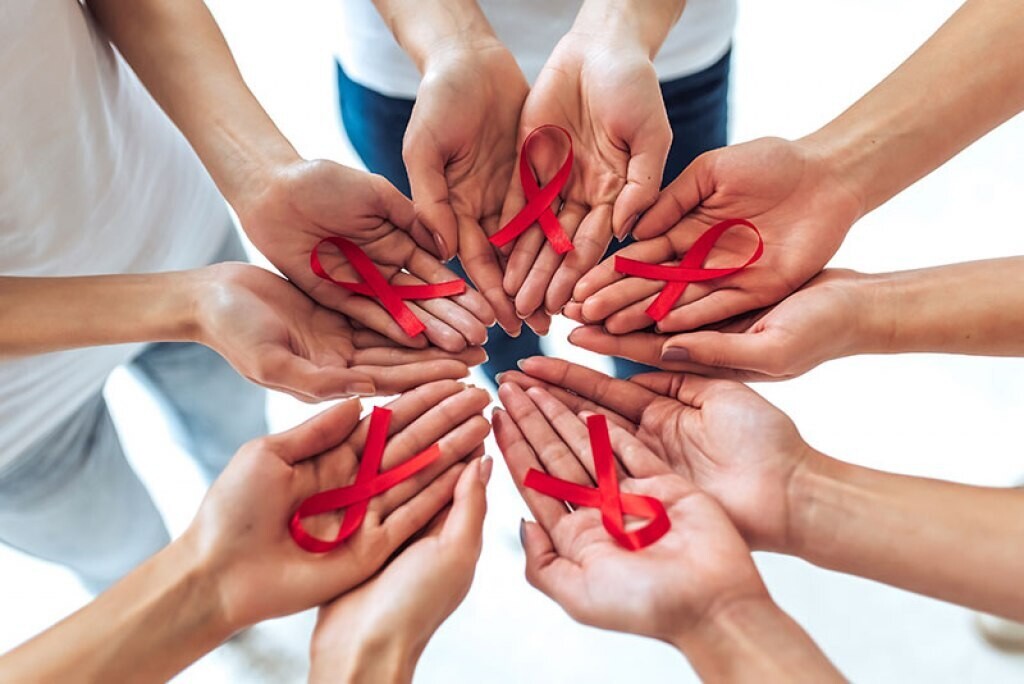
In Argentina, around 17 people receive an HIV diagnosis every day. Therefore, every December 1st, the global commitment to reliable information, access to healthcare, and the promotion of respectful, caring, and consensual relationships is renewed, especially during adolescence—a stage marked by first experiences, doubts, and decisions that require support without stigma.
Dr. Valeria Valko stated in a report: "In Argentina, it is estimated that around 140,000 people live with HIV, and 13% are still unaware of their diagnosis, which reinforces the importance of testing and maintaining combined prevention strategies."
"Access to condoms, the possibility of confidential medical consultations, and comprehensive sex education are fundamental tools to reduce sexually transmitted infections, prevent HIV, and promote care habits among young people," the specialist noted.
The doctor also added: "The correct and consistent use of an external or internal condom remains essential." She also added: "To this is added the concept U=U (Undetectable = Untransmittable), a scientific advance that demonstrates that a person with HIV on treatment with an undetectable viral load for at least six months does not transmit the virus sexually."
What is HIV and how is it transmitted?
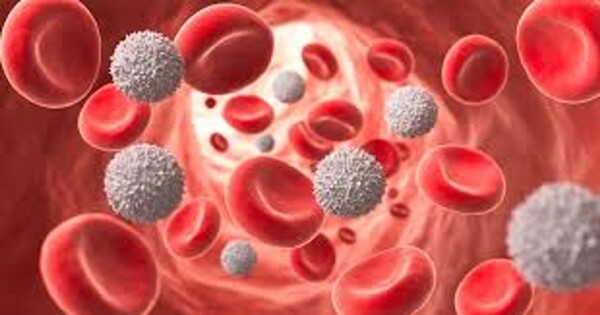
HIV is the human immunodeficiency virus that affects the immune system and, without treatment, can progress to AIDS. It is important to differentiate between the two concepts: HIV is the virus, and AIDS is the advanced stage that appears when there has been no timely diagnosis or treatment. With appropriate treatment, most people with HIV will never develop AIDS.
In Argentina, more than 98% of infections occur through anal or vaginal sex without a condom, while to a lesser extent, it can be transmitted through oral practices, sharing needles or sharp objects, or during pregnancy, childbirth, or breastfeeding without proper care.
HIV is not transmitted through hugging, kissing, sharing mate, glasses, plates, showers, or bathrooms.
HIV prevention today is understood as a combined approach that brings together different complementary tools. There are also pharmacological strategies such as PrEP—a preventive method for people without HIV who have a higher risk of exposure and offers an efficacy of almost 99%—and PEP, an emergency medication that must be started within 72 hours after a risk situation.
On the other hand, the HIV test is a simple, free, and fundamental step for early diagnosis. It is voluntary, confidential, and is done by appointment, with a medical order, and without the need for fasting in public hospitals and health centers throughout the country. For a sexually active person, it is recommended to get tested at least once a year and every three to six months when there are multiple sexual partners or situations of higher exposure.
An opportunistic diagnosis allows antiretroviral medication to be started, the infection to be controlled, and its progression to be prevented. In Argentina, this treatment is free and guaranteed by the health system.
In the case of adolescents, support is fundamental so that they can go through their first experiences with reliable information and without prejudice. Creating spaces where they can consult freely, access condoms, and receive guidance on sexual health allows them to exercise their autonomy safely.
"With clear information, professional support, and containment networks, it is possible to strengthen the autonomy of young people and help them make informed decisions about their care," concluded Dr. Valko.